
Gloss Levels, Densifiers, and Aggregate Exposure Explained
Architects, designers, and facility planners often specify polished concrete systems based on three technical variables:
aggregate exposure
gloss level
densifier chemistry
Understanding these factors helps ensure the finished floor meets both performance and aesthetic goals.
Aggregate Exposure Levels
Aggregate exposure refers to how much of the stone within the concrete slab is revealed during grinding.
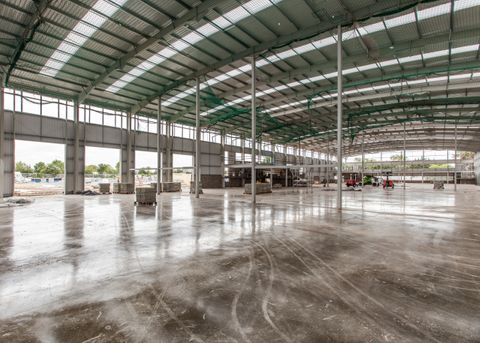
Cream Finish
A cream finish removes only the top surface layer of the concrete, exposing minimal aggregate. This produces a subtle appearance and maintains the natural look of the slab.
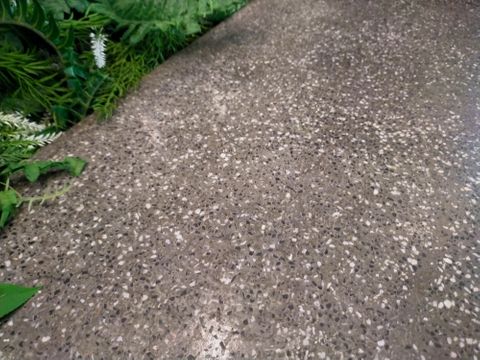
Salt-and-Pepper Finish
Salt-and-pepper exposure reveals small aggregates just beneath the surface, creating a lightly textured aesthetic. This is one of the most commonly specified finishes for commercial buildings.
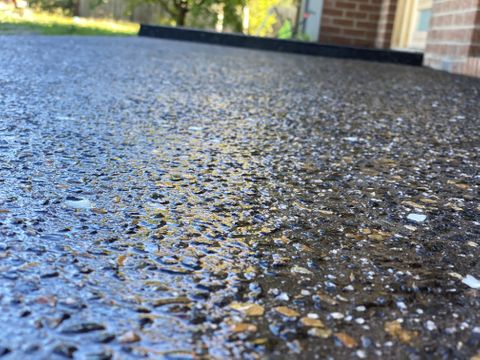
Full Aggregate Exposure
Full aggregate exposure removes more of the surface layer, revealing larger decorative stones within the concrete. This creates a more dramatic appearance, often used in architectural spaces.
The chosen level of exposure depends on design goals, slab condition, and project budget.
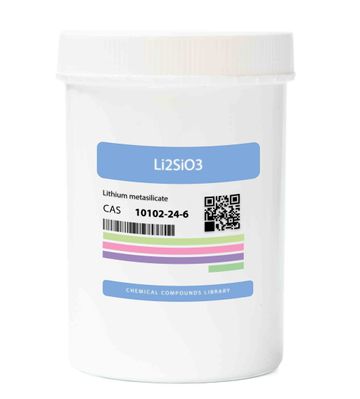
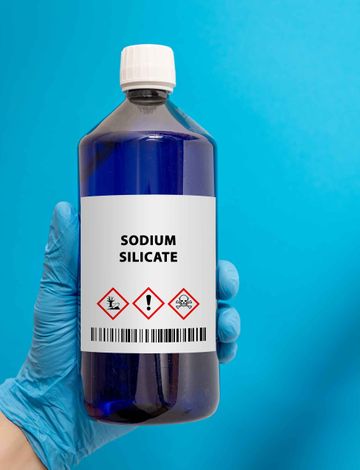
Densifiers: Lithium vs Sodium
Densifiers are chemical treatments applied during the polishing process that react with the concrete to increase hardness and durability.
Two common densifier types include:
Lithium silicate densifiers
fast reaction time
minimal residue
widely used in modern polishing systems
Sodium silicate densifiers
older technology
can require additional cleanup
sometimes used for certain slab conditions
Lithium densifiers are often preferred in commercial projects because they produce more consistent polishing results and improved durability.
Gloss Levels in Polished Concrete
Polished concrete floors are typically categorized into different gloss levels depending on the final polishing stage.
Typical classifications include:
matte or low-sheen finish
satin or medium gloss
high-gloss polished finish
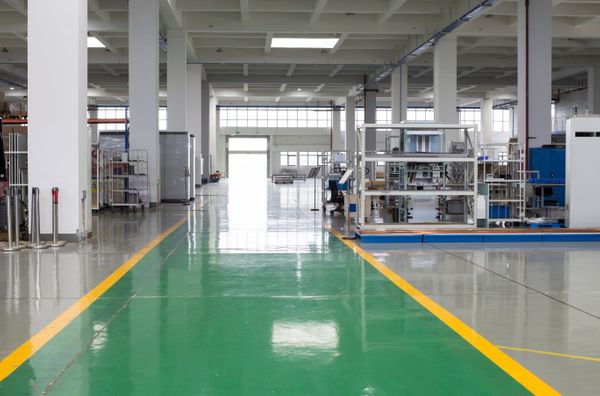
Higher gloss levels increase light reflectivity, which can contribute to brighter interiors and potential energy savings.
Slip Resistance and DCOF Compliance
Slip resistance is an important consideration for commercial floors. Despite the reflective appearance of polished concrete, properly finished floors can achieve strong safety performance.
Many polished concrete systems meet DCOF (Dynamic Coefficient of Friction) requirements, which are used to evaluate slip resistance for commercial flooring.
Surface maintenance practices, such as regular cleaning and proper detergents, play an important role in maintaining slip resistance over time.
Sustainable Benefits of Polished Concrete Flooring
Polished concrete is often specified in projects pursuing sustainability certifications because it uses the existing concrete slab as the finished floor surface.
This eliminates the need for additional flooring materials such as tile, carpet, or coatings.
Environmental benefits include:
reduced material consumption
lower maintenance chemical use
improved light reflectivity that reduces lighting energy demand
compatibility with LEED-certified construction projects
For many commercial buildings, polished concrete contributes to both environmental goals and long-term operational savings.
Concrete Floor Polishing Contractors
Achieving a high-performance polished concrete floor requires specialized equipment, experienced technicians, and careful slab preparation.
Professional concrete floor polishing contractors evaluate:
slab condition and hardness
existing coatings or adhesives
moisture conditions
structural integrity of the concrete
From there, contractors determine the correct grinding sequence, densifier chemistry, and polishing stages needed to produce the desired finish.
Proper preparation and polishing techniques are critical to ensuring the floor performs well for decades.