Hard & Stone Tile Installation Contractors
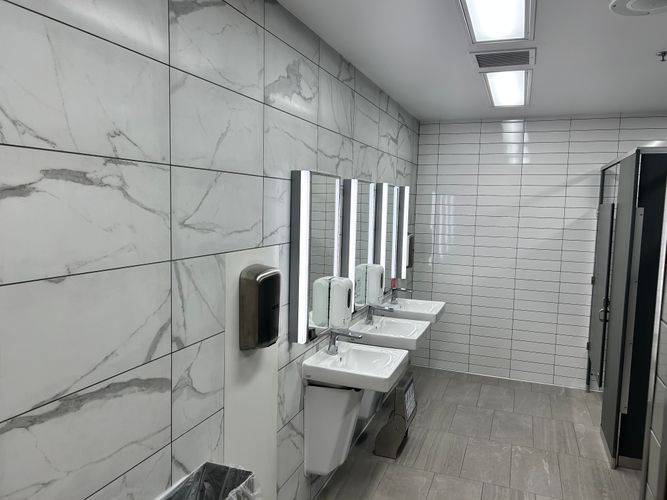
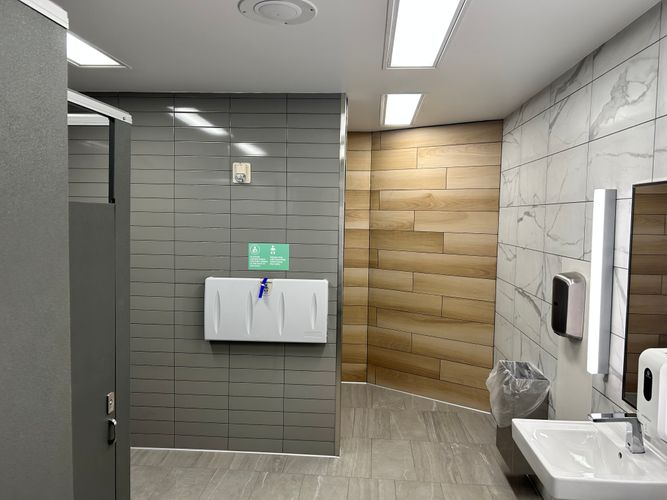
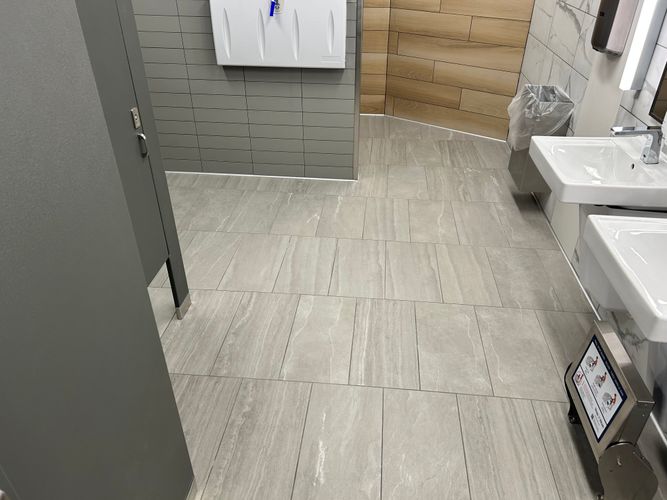
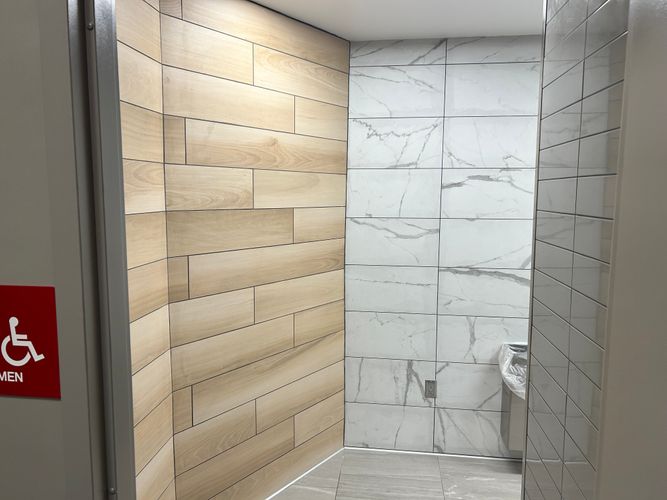
Our team of tile installers will ensure a long lasting installation of your floor and wall tile.
Hard tile is generically referred to ceramic tile in most circles. Ceramic tile is probably the most common form of hard tile. Its name refers to the specific products used to create the tile as well as the process. Other hard tiles include porcelain (like ceramic but is distinguished as being more water resistant), glass, and quarry tile.
Stone tile consists of more naturally occurring earth products with the manufacturing consisting of cutting and polishing of large stones. Common stones used to make tile are travertine, marble, granite, slate, onyx, quartzite, and sandstone. Beautiful stone tiles each carry their own unique characteristics and variation.
Installation of hard tile can be tedious even for the most experience veteran. The floor or wall needs to be flat and prepped properly to make sure the tile is installed flush with even edges. Each manufacturer has recommended adhesives and mortars that are required for their product installation. Once installed, the tiles must be grouted either using a sanded or un-sanded grout. Once everything is dry, we can recommended a sealer to care for your new floor.
As a commercial flooring installation contractor, we can help you select a tile that is right for your space based on your needs and desired maintenance.


Stone vs Porcelain Tile for High-Traffic Commercial Areas
Choosing between natural stone and porcelain tile can significantly impact the durability, maintenance requirements, and long-term lifecycle cost of a commercial flooring system. This guide explains how granite, marble, and other natural stones compare to modern porcelain tile in high-traffic environments such as lobbies, retail spaces, hospitals, and public buildings. Learn which material performs best for heavy pedestrian traffic, slip resistance requirements, and long-term facility maintenance.
Read the full guide: Stone vs Porcelain Tile for High-Traffic Commercial Areas
Bathroom Tile vs Polished Concrete for Commercial Restrooms
Commercial restroom flooring must withstand constant moisture, aggressive cleaning chemicals, and heavy daily use. This guide compares tile flooring systems and polished concrete floors to help facility managers determine which option delivers the best performance for hygiene, safety, and durability. Discover the advantages, limitations, and maintenance considerations for each flooring system in restaurants, healthcare facilities, office buildings, and retail environments.
Read the full guide: Bathroom Tile vs Polished Concrete for Commercial Restrooms