
Polished Concrete by Facility Type
Different building types place different performance demands on flooring systems. Polished concrete has proven to be one of the most versatile solutions across multiple commercial sectors.
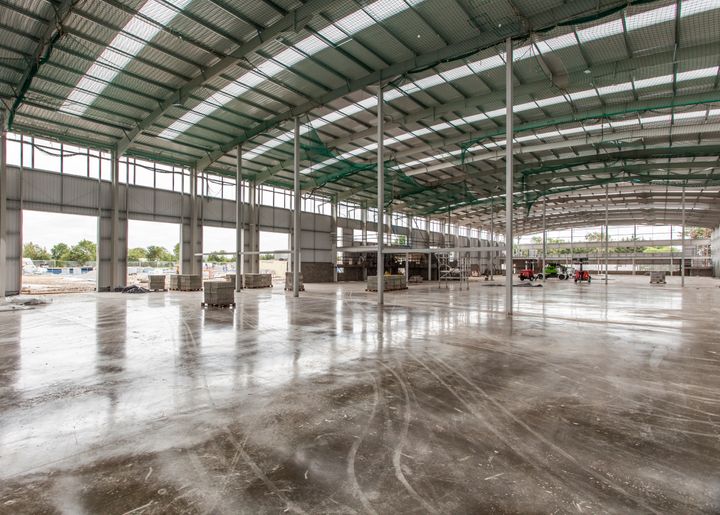
Polished Concrete for Warehouses and Distribution Centers
Warehouses and logistics facilities require floors capable of handling heavy equipment traffic, pallet jacks, and forklifts on a daily basis.
Polished concrete floors perform exceptionally well in these environments because the densification process strengthens the slab surface, improving abrasion resistance and reducing dusting.
Benefits for warehouse environments include:
Increased durability under forklift traffic
Reduced dust generation from slab wear
Improved lighting reflectivity that can reduce energy costs
Simplified cleaning and maintenance
Many distribution centers also prefer polished concrete because it eliminates the risk of coating delamination caused by heavy equipment loads.
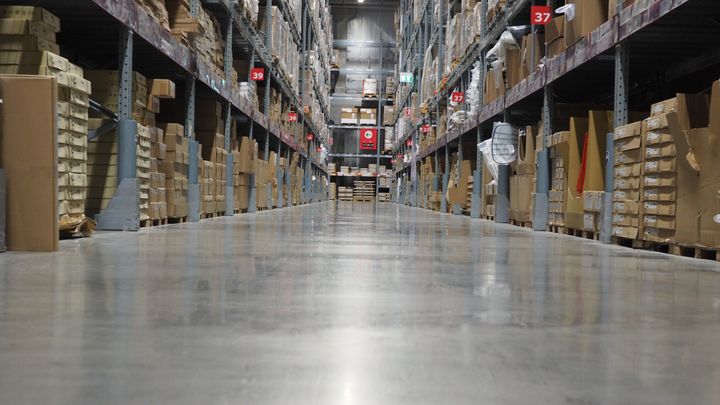
Polished Concrete for Retail Big-Box Stores
Retail environments often require a flooring solution that balances durability with visual appeal.
Polished concrete floors provide a clean, modern aesthetic while also standing up to heavy foot traffic, shopping carts, and merchandise movement.
Retail benefits include:
Consistent appearance across large floor areas
Excellent reflectivity for brighter store environments
Minimal maintenance requirements
Compatibility with modern retail design trends
Many national retail chains have adopted polished concrete as their standard flooring system because it combines durability with low lifecycle costs.
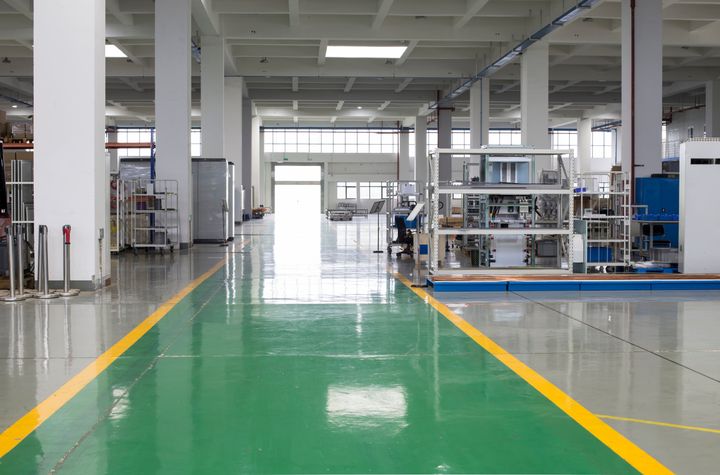
Polished Concrete for Manufacturing Facilities
Manufacturing plants require flooring systems capable of handling machinery loads, material movement, and continuous operations.
Polished concrete can perform well in these environments when the slab is properly prepared and densified.
Advantages for manufacturing include:
High compressive strength
Reduced surface dust that can contaminate products
Easy cleaning for operational maintenance
Resistance to heavy equipment traffic
In environments requiring chemical resistance, polished concrete may be combined with specialized coatings in certain areas.
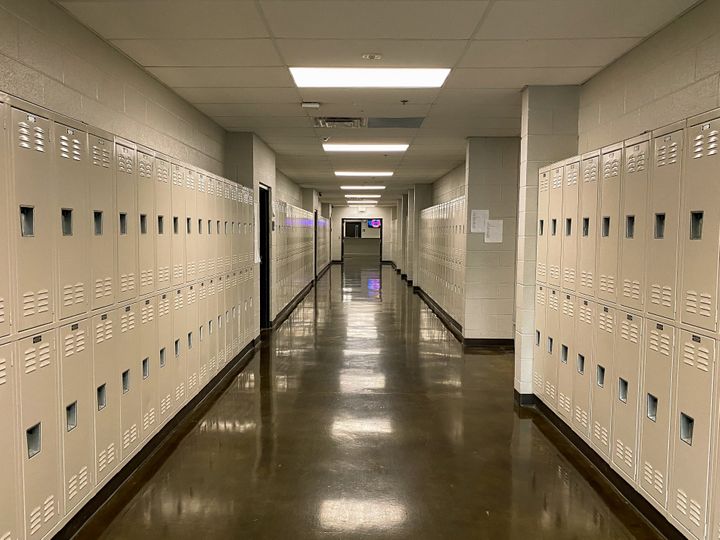
Polished Concrete for Schools and Municipal Buildings
Educational and municipal buildings often prioritize durability, sustainability, and long-term maintenance savings.
Polished concrete floors are increasingly common in schools, government buildings, and public facilities due to their longevity and environmental benefits.
Benefits include:
Reduced long-term maintenance costs for public budgets
Compatibility with sustainable building programs
Durable surfaces for high foot traffic
Improved indoor lighting reflectivity
Many schools also prefer polished concrete because it eliminates waxing and stripping cycles common with other flooring systems.