
Carpet Tile vs Broadloom in Commercial Spaces
When planning flooring for an office, retail store, or commercial facility, one of the first decisions is whether to install modular carpet tile or traditional broadloom carpet.
Both are soft-surface commercial flooring systems designed for durability, acoustics, and comfort. However, they perform very differently when it comes to installation time, replacement cycles, long-term maintenance, and operational downtime.
For commercial buildings that operate daily—such as offices, healthcare clinics, and retail stores—these differences can significantly impact maintenance costs and business disruption over the life of the flooring system.
Understanding how carpet tile and broadloom compare allows facility managers, property owners, and general contractors to choose the flooring solution that best fits their building’s traffic patterns, maintenance strategy, and renovation schedule.
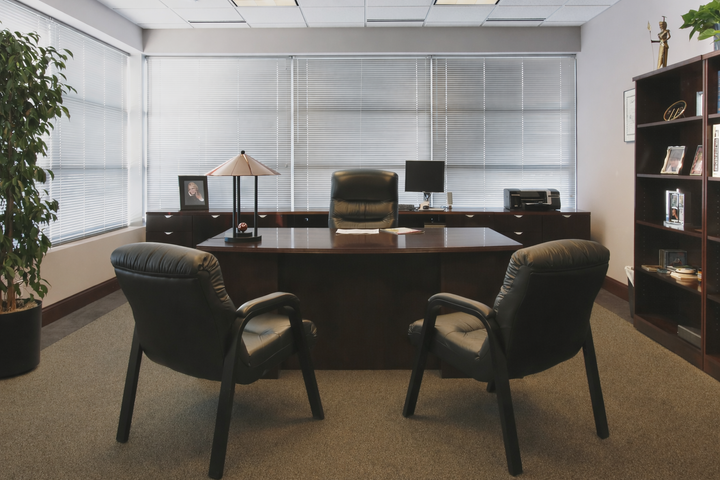
What Is Broadloom Commercial Carpet?
Broadloom carpet refers to wall-to-wall carpet that comes in large rolls, typically around 12 feet wide, which are cut and installed across a room during installation.
This style has been used in commercial environments for decades and remains common in spaces that require a seamless appearance or luxurious feel, such as executive offices, hospitality environments, and conference centers.
Characteristics of broadloom carpet include:
Installed as large continuous sheets
Requires padding or specialized backing
Typically lower upfront material cost
Creates a seamless wall-to-wall appearance
Replacement often requires removing large sections
Because it is installed as a continuous surface, repairs or damage often require replacing an entire section of carpet rather than a small localized area.
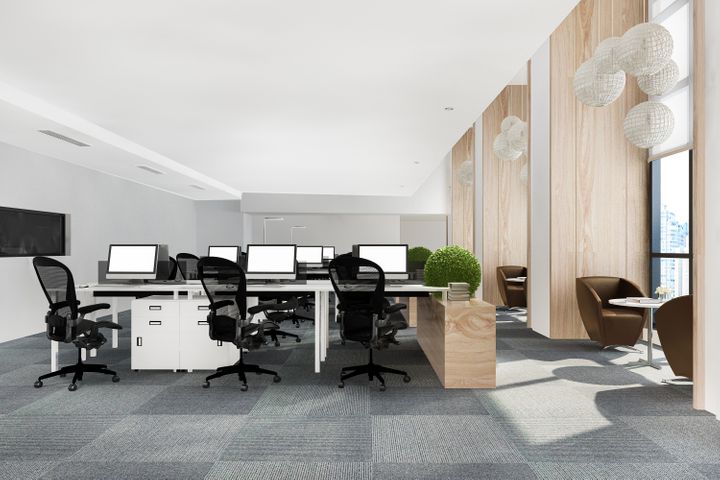
What Are Commercial Carpet Tiles?
Carpet tiles, also known as modular carpet, are square or rectangular sections of carpet with integrated backing that are installed individually across the floor.
These tiles function like a modular flooring system, allowing installers to place each tile individually to create patterns, zones, or directional designs.
Commercial carpet tile systems are especially popular in:
Corporate offices
Technology workplaces
Retail stores
Airports and educational facilities
Coworking environments
Key advantages include:
Modular installation
Easy replacement of individual tiles
Reduced installation waste
Flexible design layouts
Simplified maintenance
Because tiles can be replaced individually, damage or staining rarely requires full floor replacement, which can significantly reduce maintenance costs over time.
Cost Comparison: Carpet Tile vs Broadloom
For commercial property owners evaluating flooring budgets, the initial installation cost and lifecycle cost are both important considerations.
Typical installed cost ranges:
| Flooring Type | Typical Installed Cost |
|---|---|
| Broadloom Commercial Carpet | $2.50 – $5.00 per sq ft |
| Commercial Carpet Tile | $3.50 – $7.50 per sq ft |
While carpet tiles often cost more per square foot initially, their modular design reduces replacement costs and maintenance expenses over time.
Broadloom may appear less expensive upfront, but repairs often require larger sections of flooring to be removed and replaced, increasing long-term maintenance costs.
Replacement Cycles and Maintenance
Commercial buildings experience heavy daily traffic, spills, and wear patterns, particularly in corridors, entrances, and high-use work areas.
This is where carpet tile systems often outperform traditional broadloom.
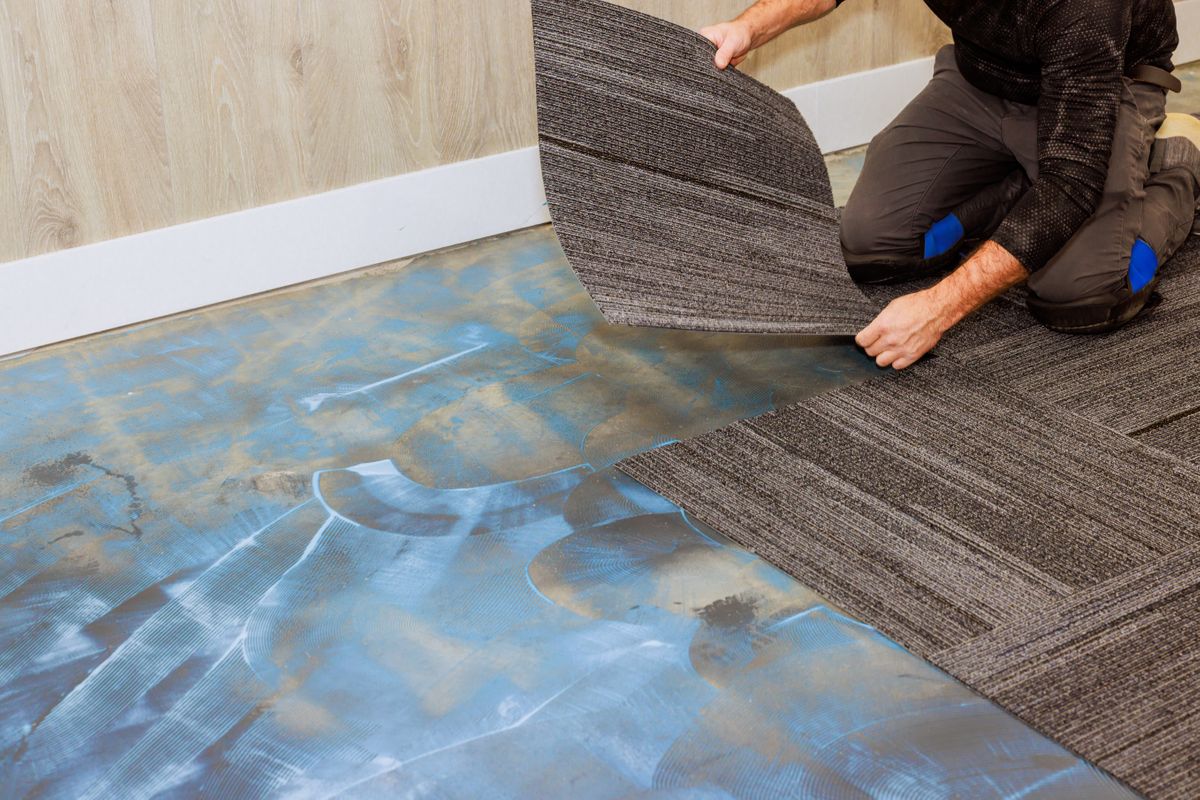
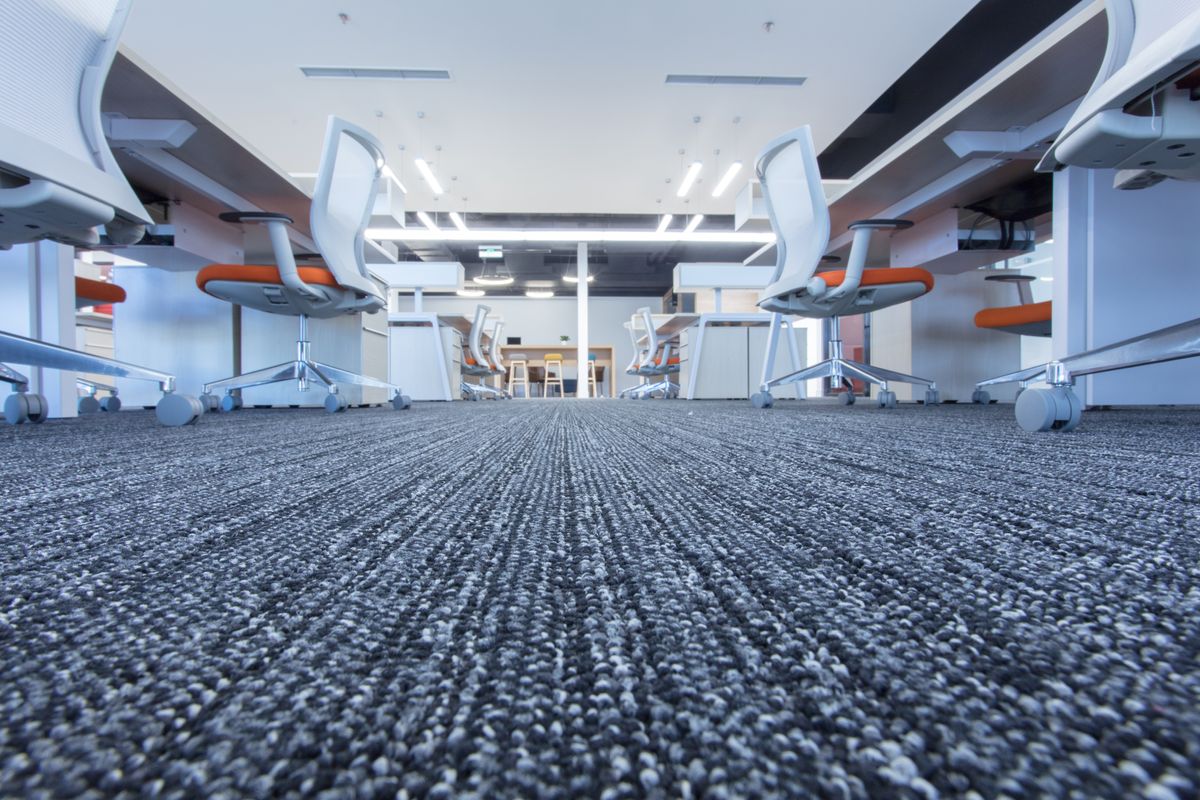
| Carpet Tile Replacement | Broadloom Replacement |
|---|---|
| The individual tile can be removed A new tile is installed in minutes Surrounding flooring remains intact | A full section must be removed Seams must be reinstalled Adjacent areas may require replacement |
| This modular replacement approach allows facility teams to perform maintenance without shutting down large areas of a building. | For facilities that operate continuously, the difference in maintenance strategy can significantly affect lifecycle cost. |
Installation Time and Business Downtime
Another major difference between the two systems is installation speed and disruption to building operations.
Carpet Tile Installation
Carpet tiles are installed individually and require minimal cutting.
Benefits include:
faster installation
minimal waste
easier transport and handling
ability to install in phases
Many commercial flooring contractors can install carpet tiles after business hours or in small zones, allowing buildings to remain operational.
Broadloom Installation
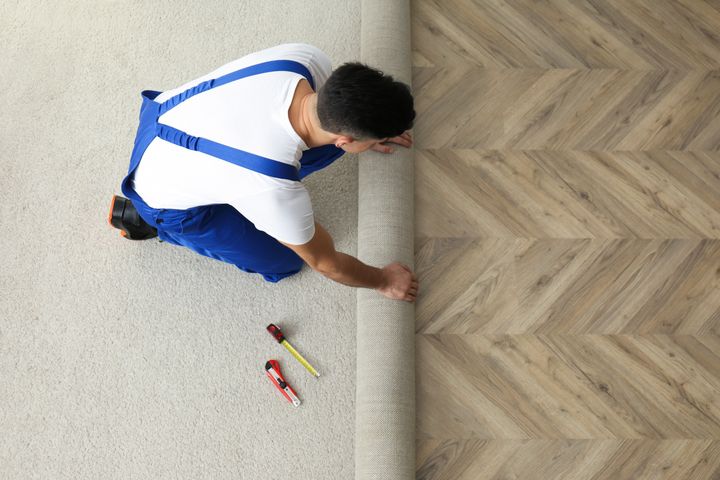
Broadloom installation involves:
rolling out large sections
cutting and fitting seams
aligning and stretching carpet
This process typically requires more labor and coordination, which can extend project timelines.
Acoustic Performance in Commercial Buildings
Sound control is one of the main reasons commercial spaces choose carpet over hard flooring.
Both carpet tiles and broadloom provide sound absorption, helping reduce noise levels in busy environments such as offices, call centers, and open-plan workplaces.
However, carpet systems with thicker backing and padding, often found in broadloom installations, can provide slightly greater sound dampening in some environments.
For modern offices, many modular carpet tiles are specifically engineered to reduce foot traffic noise and improve acoustic comfort in open workspaces.