
Commercial Carpet for Offices and Retail Spaces
Commercial carpet plays an important role in how workplaces feel, sound, and function. The right carpet system can improve acoustics, enhance employee comfort, and reinforce brand identity through design and color.
In offices and retail environments, flooring must balance several factors:
durability under heavy traffic
stain resistance
sound control
maintenance efficiency
aesthetic appearance
Because of these needs, carpet tile systems have become one of the most widely used flooring solutions in modern commercial buildings.
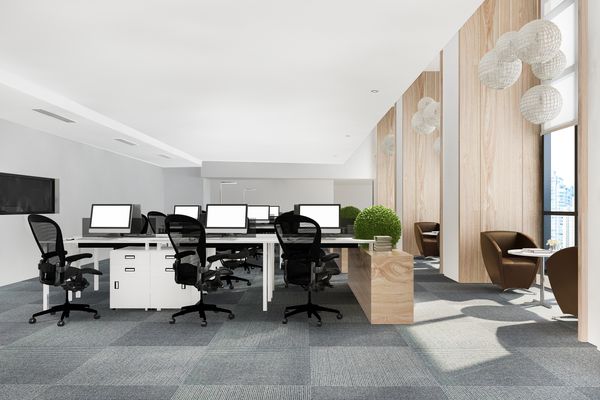
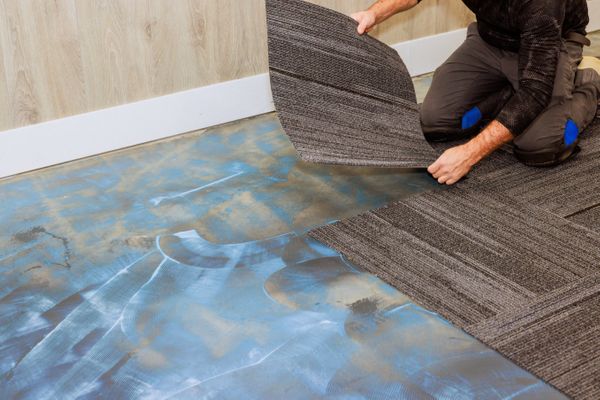
Why Offices Use Carpet Tile Flooring
Office environments typically experience:
constant foot traffic
rolling office chairs
frequent furniture rearrangement
occasional spills or stains
Modular carpet tiles are well suited for these conditions because they combine durability with easy replacement.
Advantages for office environments include:
improved acoustic control for open workspaces
quick replacement of damaged tiles
design flexibility for branding or wayfinding
minimal disruption during renovations
Many modern workplaces also use carpet tile layouts to visually define spaces such as:
collaboration areas
walkways
conference rooms
reception areas
Commercial Carpet for Retail Stores
Retail environments place different demands on flooring systems.
Retail flooring must handle:
high daily foot traffic
frequent product movement
changing displays
regular cleaning
Commercial carpet tiles are often used in retail stores because they:
withstand heavy wear
allow damaged tiles to be replaced quickly
minimize downtime during repairs
provide sound absorption in large spaces
Retail brands also use modular carpet patterns to guide customer movement through a store.
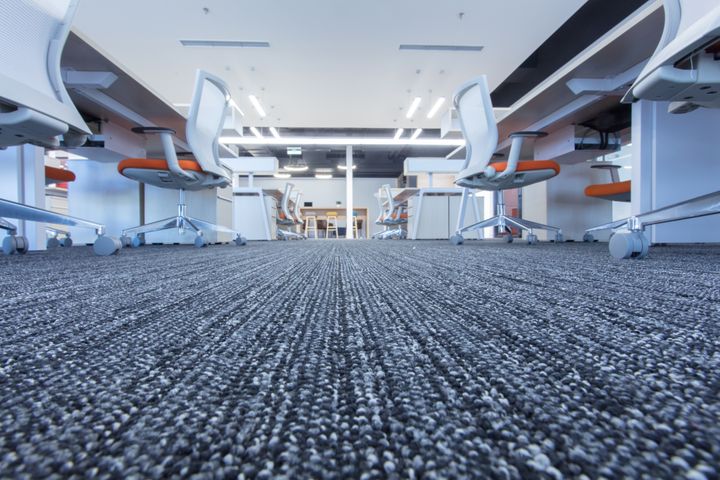
Durability and Traffic Performance
Commercial carpets are engineered specifically for high-traffic environments, using dense fibers and reinforced backing systems designed to resist wear, crushing, and staining.
High-quality commercial carpet systems can typically last 10–15 years with proper maintenance, depending on traffic levels and cleaning schedules.
For high-traffic buildings, flooring contractors often recommend:
solution-dyed nylon fibers
low-pile loop construction
modular carpet tile systems
heavy-duty backing systems
These features help maintain appearance and performance even in demanding commercial environments.
When to Choose Carpet Tile vs Broadloom
Both flooring systems have advantages depending on the building type.
| Choose Carpet Tile if your facility needs: | Choose Broadloom if your space prioritizes: |
|---|---|
| Easy maintenance and tile replacement Minimal installation downtime Modular design flexibility Heavy-traffic durability | Seamless appearance Plush comfort Luxury aesthetics Large continuous floor areas |
For many modern commercial buildings, carpet tiles offer the best balance of durability, maintenance efficiency, and operational flexibility.
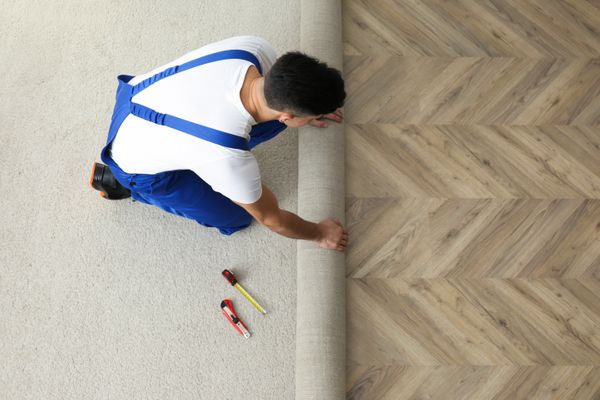
Work With Experienced Commercial Carpet Installation Contractors
Installing commercial carpet requires careful planning around:
building traffic patterns
subfloor conditions
moisture levels
installation scheduling
long-term maintenance strategies
Experienced commercial flooring contractors help building owners choose the right carpet system and ensure installation is completed efficiently with minimal disruption to operations.
Professional installation ensures:
proper subfloor preparation
accurate tile layout and alignment
secure adhesion systems
consistent seam quality
For offices, retail environments, and commercial facilities, the right flooring installation partner ensures your carpet system delivers long-term performance, durability, and visual appeal.