
Epoxy vs Urethane Cement vs Polyaspartic: Industrial Use Cases
Industrial environments demand flooring systems that can withstand heavy traffic, chemical exposure, thermal shock, and strict sanitation requirements. Selecting the correct coating system is critical not only for durability, but also for operational efficiency and long-term maintenance costs.
Three of the most common high-performance systems used in commercial and industrial environments include:
Epoxy floor coatings
Urethane cement flooring systems
Polyaspartic floor coatings
Each technology offers distinct advantages depending on environmental conditions, downtime tolerance, and facility operations. Understanding the differences helps facility owners choose the most appropriate solution for their specific application
Industrial Epoxy Flooring Systems
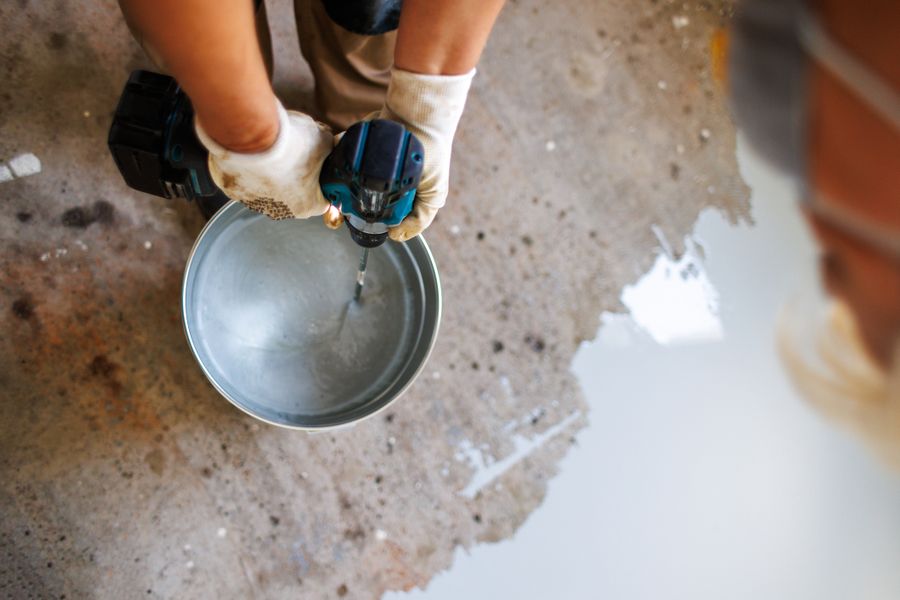
Epoxy coatings remain one of the most widely used industrial flooring systems due to their strength, chemical resistance, and cost-effectiveness.
Epoxy flooring is created by combining epoxy resin with a curing agent, producing a rigid polymer surface that bonds tightly to concrete substrates. The result is a seamless flooring system capable of handling heavy equipment traffic, pallet jacks, forklifts, and chemical spills
Best Use Cases for Epoxy Flooring
Epoxy coatings perform particularly well in controlled industrial environments where thermal shock and moisture exposure are limited.
Typical applications include:
manufacturing plants
distribution centers
warehouse facilities
aircraft hangars
automotive service facilities
mechanical rooms
Advantages of Epoxy Flooring
excellent compressive strength
strong chemical resistance
seamless, easy-to-clean surface
customizable slip resistance
lower cost compared to other industrial coatings
Limitations of Epoxy Systems
While epoxy coatings perform well in many environments, they can struggle in areas exposed to thermal cycling, hot water washdowns, or high moisture vapor transmission.
Limitations include:
longer cure times (24–72 hours)
sensitivity to substrate moisture
vulnerability to thermal shock
potential yellowing in UV exposure
For many industrial environments, epoxy remains the most cost-effective industrial floor coating solution, particularly in logistics and manufacturing facilities.
Urethane Cement Flooring Systems
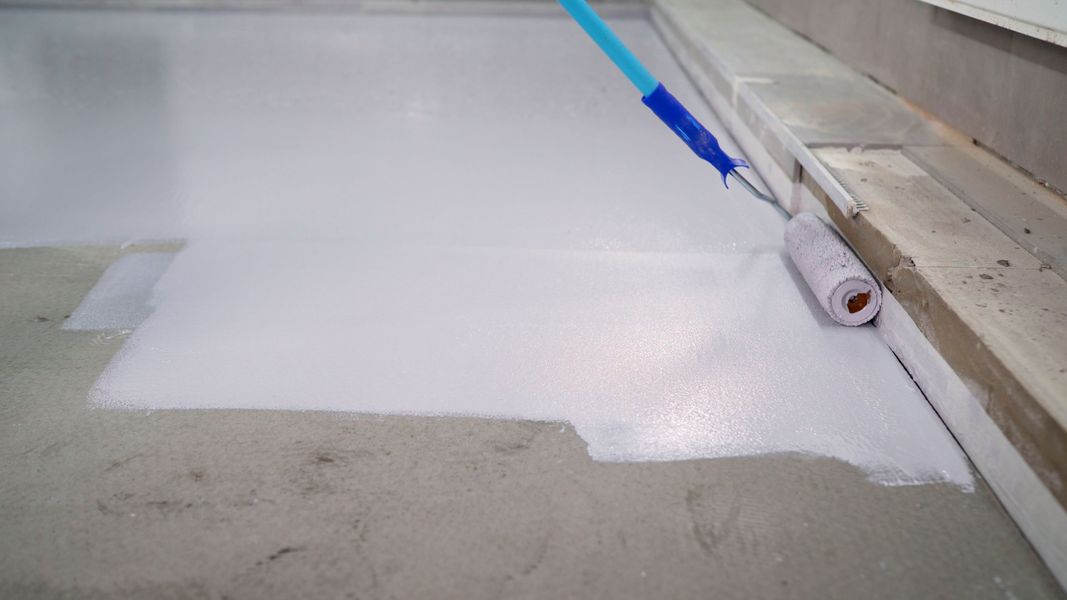
Urethane cement systems, sometimes called polyurethane concrete flooring, are designed for the most demanding industrial environments.
Unlike standard epoxy coatings, urethane cement systems combine urethane resins with cementitious materials, creating a thick, highly durable flooring system that bonds extremely well to concrete substrates.
This composition provides exceptional resistance to thermal shock, chemical attack, and heavy impact, making urethane cement ideal for industries with strict sanitation and durability requirements.
Best Use Cases for Urethane Cement Flooring
Urethane cement flooring is commonly installed in environments where floors are exposed to high heat, aggressive chemicals, and frequent washdowns.
Typical applications include:
food processing plants
beverage manufacturing facilities
commercial kitchens
pharmaceutical production facilities
breweries and distilleries
cold storage facilities
Advantages of Urethane Cement Flooring
extreme thermal shock resistance
excellent chemical resistance
moisture-tolerant installation
high compressive strength
antimicrobial options available
Limitations of Urethane Cement Systems
Although extremely durable, urethane cement flooring systems generally involve:
higher upfront installation cost
thicker flooring profiles
longer installation timelines than polyaspartic systems
For industries requiring sanitary, heat-resistant, and chemical-resistant floors, urethane cement systems are often the preferred long-term solution.
Polyaspartic Floor Coating Systems
Polyaspartic coatings represent a newer generation of fast-curing industrial floor systems designed to minimize facility downtime.
Polyaspartic technology allows flooring contractors to install high-performance coatings that cure extremely quickly while still providing durability and chemical resistance comparable to epoxy systems.
In many cases, polyaspartic floors can return to service within a single day, making them ideal for operational facilities that cannot shut down for extended periods.
Best Use Cases for Polyaspartic Flooring
Polyaspartic coatings are commonly used in environments where speed of installation is critical.
Typical applications include:
retail facilities
commercial kitchens
auto dealerships
aircraft hangars
manufacturing facilities requiring minimal shutdown time
maintenance facilities
Advantages of Polyaspartic Flooring
extremely fast curing times
UV stability (non-yellowing)
excellent abrasion resistance
durable protective topcoat systems
installation possible in wider temperature ranges
Limitations of Polyaspartic Systems
While polyaspartic coatings provide speed advantages, they may not always offer the same thermal shock resistance as urethane cement systems in heavy washdown environments.
Limitations include:
thinner system profiles
less tolerance for extreme thermal cycling
potentially higher installation cost than epoxy systems
Comparison: Epoxy vs Urethane Cement vs Polyaspartic
| Flooring System | Ideal Environment | Cure Time | Key Strength |
|---|---|---|---|
| Epoxy | Warehouses, manufacturing | 24–72 hours | Cost-effective durability |
| Urethane Cement | Food processing, washdown areas | 24–48 hours | Thermal shock + chemical resistance |
| Polyaspartic | Retail, operational facilities | 2–24 hours | Fast return to service |
Selecting the correct industrial flooring system requires evaluating several factors, including:
chemical exposure levels
floor temperature conditions
moisture vapor transmission
cleaning procedures
acceptable installation downtime
An experienced industrial flooring contractor can evaluate these variables and recommend the most appropriate coating system for the facility.