
LVT, Sheet Vinyl, and VCT: Performance Differences in Commercial Environments
Commercial flooring buyers often compare Luxury Vinyl Tile (LVT), sheet vinyl, and Vinyl Composition Tile (VCT) when selecting resilient flooring systems.
While these materials may appear similar on the surface, they perform very differently in terms of installation complexity, maintenance requirements, durability, and lifecycle cost.
Selecting the wrong system can lead to higher maintenance costs, premature wear, or operational disruption.
Below is a performance comparison of the three most common resilient flooring materials used in commercial buildings.
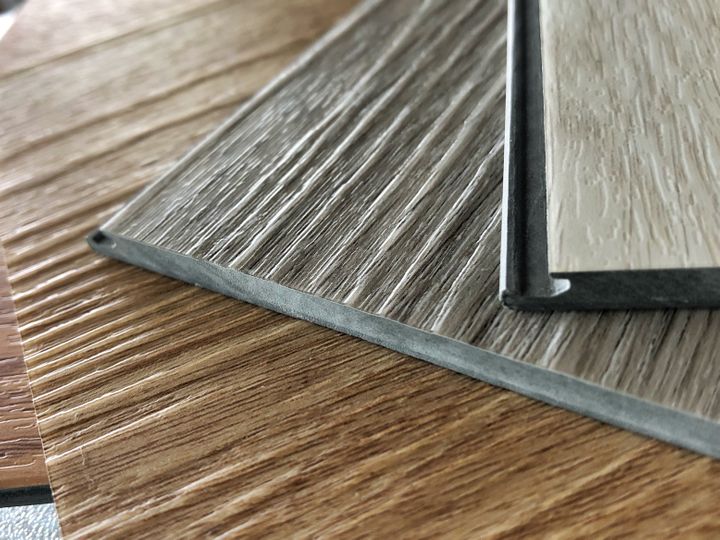
Luxury Vinyl Tile (LVT)
Luxury Vinyl Tile has become one of the fastest-growing commercial flooring materials due to its durability, aesthetic versatility, and relatively low maintenance requirements.
Modern LVT products are engineered with multi-layer construction, including a protective wear layer designed to resist scratches, stains, and abrasion.
Advantages of LVT in Commercial Spaces
Highly durable wear layers designed for heavy foot traffic
Realistic wood, stone, and concrete visual designs
Lower long-term maintenance compared to VCT
Individual tiles can be replaced if damaged
Good performance in retail, healthcare, and office environments
Common Applications
LVT is frequently installed in:
Retail stores
corporate offices
hospitality environments
healthcare clinics
educational facilities
Because of its design flexibility, LVT is often used when a facility wants the appearance of hardwood or stone without the maintenance burden.
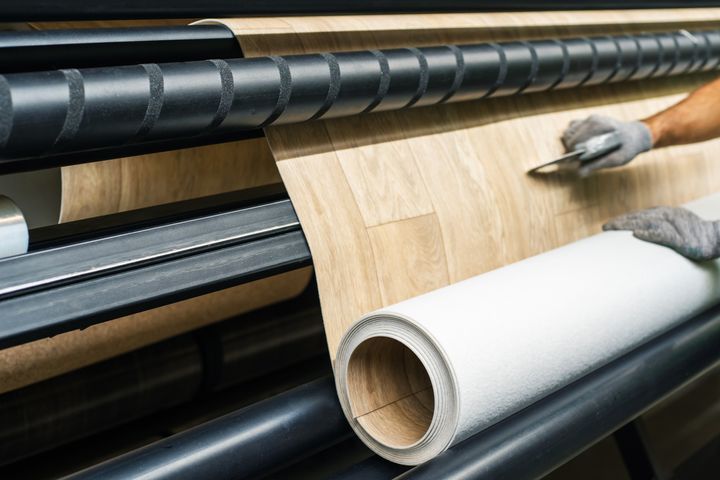
Sheet Vinyl Flooring
Sheet vinyl is widely used in healthcare and laboratory environments where hygiene, moisture resistance, and seamless installation are critical.
Unlike tile-based systems, sheet vinyl is installed in large continuous sheets, which significantly reduces the number of seams in the floor.
Advantages of Sheet Vinyl
Seam-welded installation reduces moisture intrusion
Easier sanitation in healthcare environments
Highly resistant to spills and chemical exposure
Soft underfoot compared to tile or stone
Common Applications
Sheet vinyl is frequently installed in:
hospitals
surgical facilities
laboratories
assisted living facilities
medical offices
Because it minimizes seams, sheet vinyl is particularly valuable in spaces where infection control and moisture protection are essential.
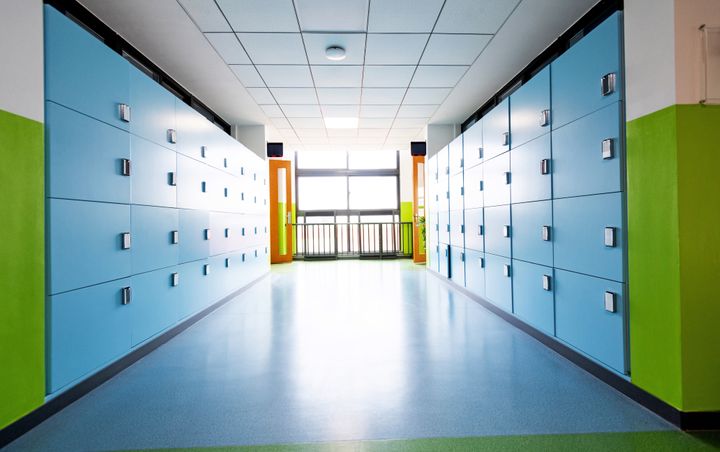
Vinyl Composition Tile (VCT)
Vinyl Composition Tile has historically been one of the most widely installed commercial flooring materials, particularly in schools and government buildings.
VCT is durable and relatively inexpensive to install, but it requires ongoing maintenance to maintain appearance and performance.
Advantages of VCT
Lower upfront installation cost
Durable under heavy foot traffic
Easy tile replacement when damaged
Widely available in institutional environments
Maintenance Considerations
VCT requires routine maintenance, such as:
stripping
waxing
buffing
refinishing cycles
Without proper maintenance, VCT can quickly lose its appearance and protective finish.
Common Applications
VCT is commonly used in:
public schools
government facilities
municipal buildings
older commercial building
For facilities with limited maintenance staff or long operational hours, LVT is increasingly replacing VCT due to lower lifecycle maintenance costs.
Lifecycle Cost Comparison
While installation cost is important, commercial flooring decisions should also consider long-term operational expenses.
| Flooring Type | Installation Cost | Maintenance | Typical Lifespan |
|---|---|---|---|
| LVT | Moderate | Low | 15–20 years |
| Sheet Vinyl | Moderate | Low–Moderate | 15–20 years |
| VCT | Low | High | 10–15 years |
Facilities focused on minimizing maintenance labor often choose LVT or sheet vinyl over VCT, even when the initial installation cost is slightly higher.