
Self-Leveling vs Trowel-Applied Concrete Toppings
Concrete toppings are one of the most effective ways to restore damaged slabs, correct uneven floors, and prepare surfaces for new flooring systems. Instead of removing and replacing an entire concrete slab, contractors can install a topping system that bonds to the existing substrate while creating a new structural and finish layer.
In commercial construction and renovation projects, the two most widely used topping systems are self-leveling toppings and trowel-applied toppings. Each system offers different performance advantages depending on the building environment, floor condition, and desired finish.
Understanding the difference helps facility managers and general contractors choose the right solution for durability, aesthetics, and long-term maintenance.
Trowel-Applied Concrete Toppings
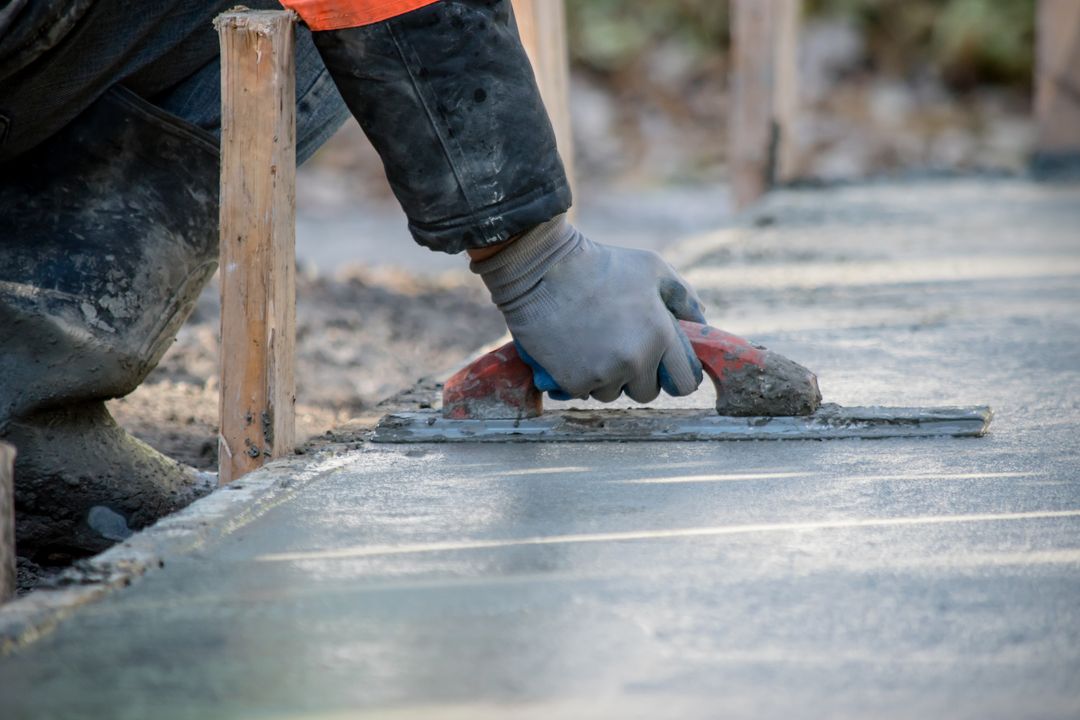
Trowel-applied toppings are thicker, hand-applied resurfacing systems designed to repair and rebuild damaged concrete slabs. These toppings are manually placed and finished using trowels or mechanical finishing tools.
They are typically used when the floor requires structural repair, surface rebuilding, or heavier-duty resurfacing.
Typical applications include:
- Repairing spalled or deteriorated concrete floors
- Restoring industrial warehouse slabs
- Installing decorative concrete overlays
- Resurfacing lobbies, retail stores, and showrooms
- Creating textured or stamped decorative surfaces
Unlike self-leveling materials, trowel-applied toppings allow contractors to control the finish texture and thickness more precisely, making them ideal for both decorative applications and structural restoration.
Advantages of Trowel-Applied Systems
Trowel-applied toppings are commonly chosen when floors require:
- Thicker repair layers
- Custom surface textures or decorative finishes
- Structural resurfacing of damaged slabs
- Increased durability in heavy-traffic environments
- Targeted repairs in localized floor areas
Because they can be built up thicker, these systems are frequently used in industrial and high-traffic commercial environments.
Self-Leveling Concrete Toppings
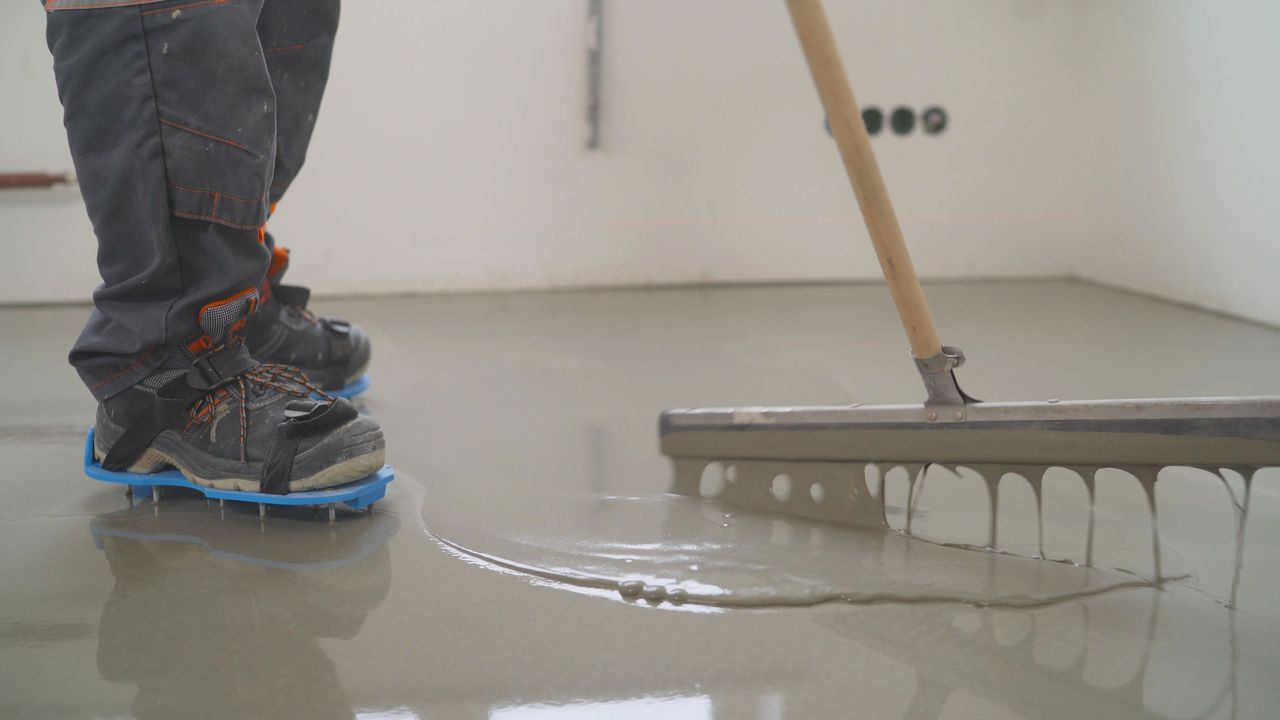
Self-leveling concrete toppings are flowable cementitious materials designed to automatically spread and level across a floor surface. Once mixed and poured, the material flows into low areas and cures into a smooth, flat slab.
These systems are widely used in commercial renovations, retail remodels, office buildings, hospitals, and educational facilities where flatness and floor tolerance are critical.
Common applications include:
- Correcting uneven or sloped concrete slabs
- Preparing floors for polished concrete finishes
- Creating a smooth base for epoxy or polyaspartic coatings
- Installing under tile, LVT, carpet tile, or hardwood
- Leveling floors in commercial tenant improvements
Self-leveling systems are often installed at thicknesses ranging from 1/8 inch to several inches, depending on the condition of the existing slab.
Advantages of Self-Leveling Toppings
Self-leveling systems are popular because they provide:
- Extremely flat floor surfaces meeting commercial tolerances
- Fast installation across large floor areas
- Smooth substrates for decorative finishes or coatings
- Minimal labor compared to manual finishing methods
- Excellent bonding to properly prepared concrete
Because these materials flow naturally, they are especially effective when large areas of flooring need uniform leveling before finish flooring installation.
Choosing the Right Concrete Topping System
Selecting between a self-leveling or trowel-applied topping depends on several factors:
Existing slab condition
Severely damaged slabs often require thicker trowel-applied resurfacing.
Floor flatness requirements
Spaces like hospitals, laboratories, and retail environments often require extremely flat floors suited for self-leveling systems.
Final floor finish
Polished concrete or coatings typically perform best over properly installed leveling toppings.
Traffic and structural demands
Industrial floors may require thicker resurfacing systems capable of handling heavy equipment.
A professional flooring contractor will evaluate substrate condition, moisture levels, structural performance, and finish requirements before recommending the appropriate system.